

Roat Pkz deals with multiple DDoS attacks every day. Most of them are filtered so quickly that players never know they happened, but keeping the game stable through that background noise takes both the right infrastructure and the right hosting partner.
The part most players never see
When you log in, the game should simply be there. You should not have to think about routing, packet floods, database health, cache performance, or whether somebody is trying to knock the server offline. That is our problem to solve, not yours.
Behind that simple login is a live game server talking to separate database and cache systems, with monitoring around all of them. At the same time, the public-facing network is constantly receiving a mixture of genuine player traffic, automated noise, and deliberate attacks.
Why better routes mean lower ping
For real-time PvP, the machine running the game is only part of the journey. Every action also has to travel across the internet between you and the server, and an inefficient route can add delay even when the hardware itself is fast. Our goal is to give Roat Pkz players the lowest practical ping possible.
Our game, database, and cache servers run on dedicated infrastructure from GameServerKings. We chose them for more than the hardware. Their network includes always-on Layer 4 and Layer 7 DDoS mitigation, which is essential for a public PvP server that is targeted every day.
 GameServerKings
Low latency is not just about where a server sits. GameServerKings continually compares paths across its points of presence and premium transit providers, then moves traffic when another route can deliver packets faster or with less loss. That active routing is what helps us keep every player on the most efficient path available.
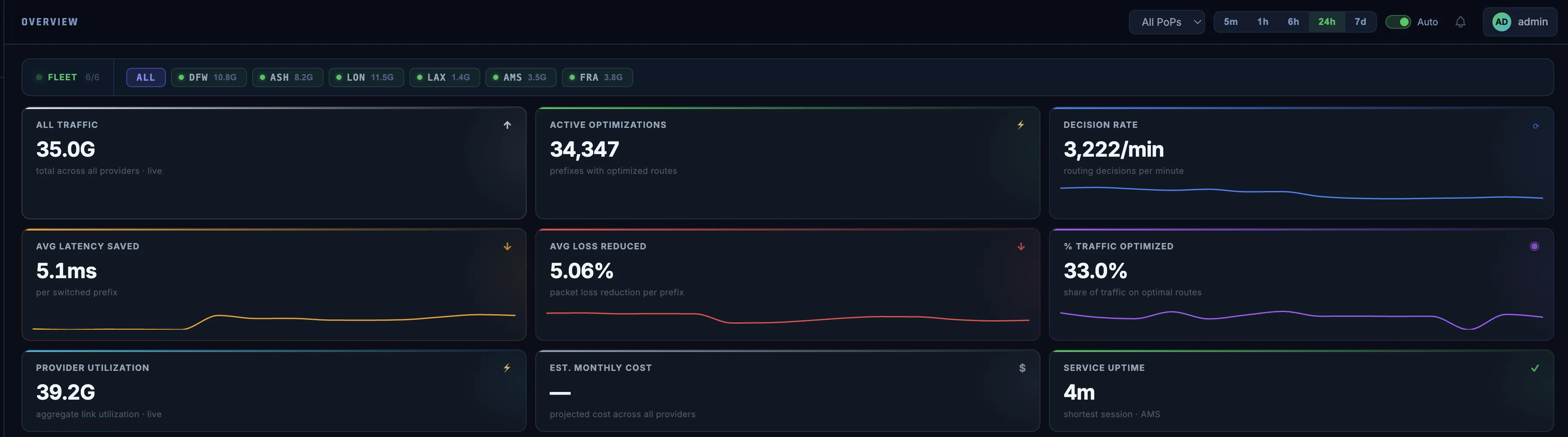
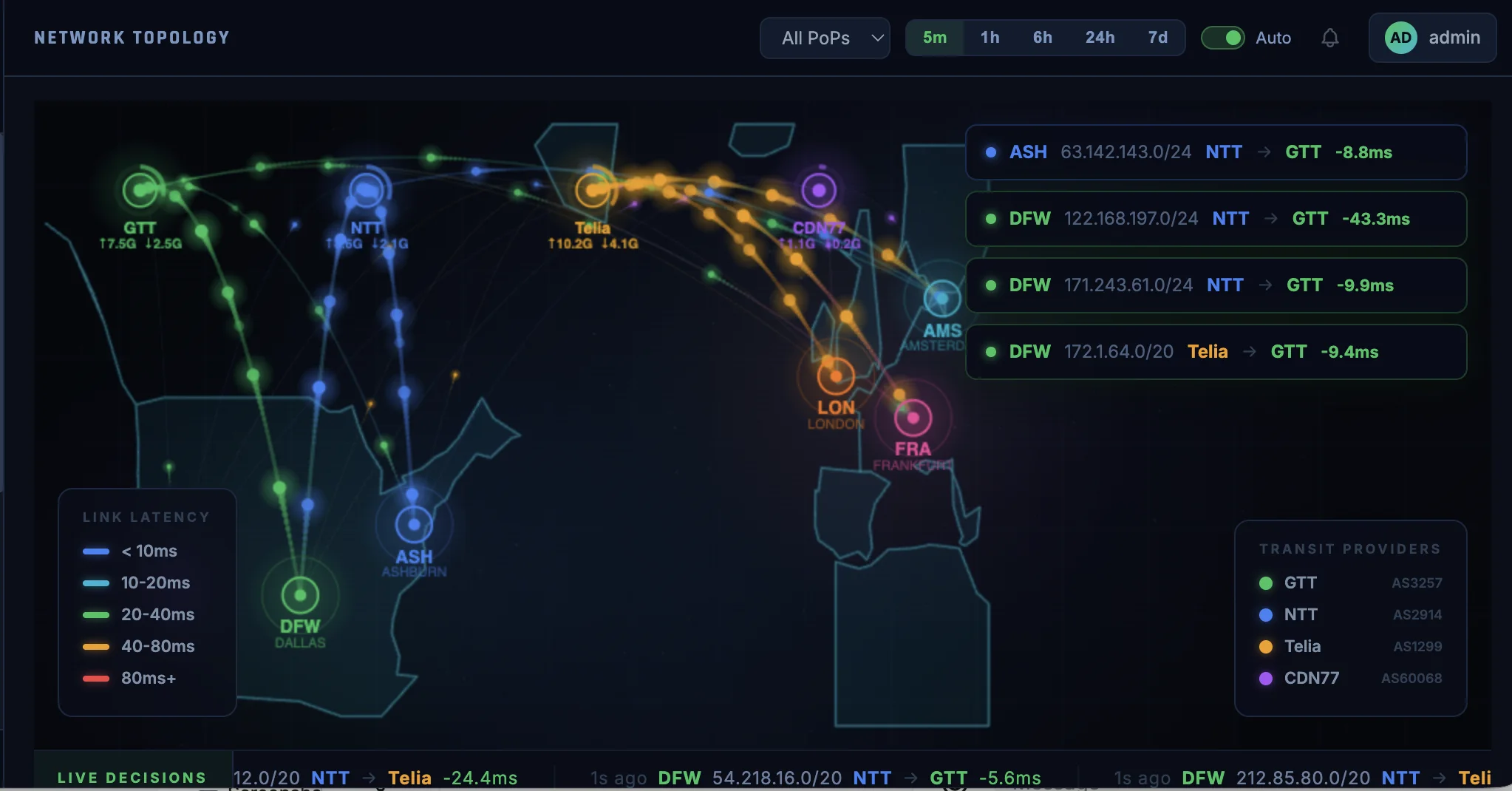
That is where GameServerKings makes a measurable difference. Their network focuses on premium, gaming-optimized packet routes that avoid unnecessary detours and move player traffic as efficiently as possible. In this 11-location European comparison against our previous OVH route, GameServerKings delivered lower latency from 10 monitors and reduced average measured latency from 23.90 ms to 17.56 ms—about 26.5% lower.
| Monitoring location | OVH | GameServerKings | Lower latency |
|---|---|---|---|
| Dublin – ZetNet | 24.07 ms | 10.35 ms | GameServerKings |
| Madrid – NetActuate | 24.67 ms | 22.80 ms | GameServerKings |
| Barcelona – Cubepath | 35.57 ms | 24.37 ms | GameServerKings |
| London – Cosmic Global | 2.13 ms | 0.23 ms | GameServerKings |
| London – Freakhosting | 9.12 ms | 0.17 ms | GameServerKings |
| Amsterdam – Online.net | 11.93 ms | 16.48 ms | OVH |
| Amsterdam – Hybula | 11.53 ms | 7.28 ms | GameServerKings |
| Frankfurt – ZetNet | 17.82 ms | 12.82 ms | GameServerKings |
| Warsaw – H2.Nexus | 41.39 ms | 29.67 ms | GameServerKings |
| Helsinki – H2.Nexus | 40.13 ms | 31.50 ms | GameServerKings |
| Bucharest – ZetNet | 44.50 ms | 37.46 ms | GameServerKings |








All values shown are round-trip ping times from each monitoring location to our game-server network in London. Measurements are a point-in-time snapshot and will vary by location, internet provider, and current network conditions.
Filtering attacks before they reach the game
On any given day, multiple attacks could be happening while you are playing—and you would never notice, because GameServerKings is filtering them before they reach us.
Some attacks are easy to picture: a huge amount of traffic is sent at the server in an attempt to fill the connection or overwhelm the network. These transport-layer attacks can involve UDP floods, connection floods, or reflected traffic arriving from many sources at once.
The more complicated attacks happen at Layer 7, the application layer. Instead of only sending a wall of obviously bad traffic, they can imitate parts of legitimate game or web traffic and repeatedly ask the application to perform real work. That makes them harder to separate from actual players without protection that understands the traffic it is filtering.
Volume and protocol attacks
Large floods and transport-level abuse designed to exhaust bandwidth, connections, or network resources.
Application-layer attacks
More targeted traffic that can resemble legitimate requests or game-protocol activity while forcing the application to work.
What happens when an attack starts
The goal is not to wait for the game to go offline and then react. Filtering is already active. When hostile traffic appears, the provider network identifies the pattern, drops malicious traffic at the edge, and continues forwarding legitimate player traffic. Our own monitoring then helps us understand whether the game, database, or cache is showing any unusual pressure.
- 01Detect
Unusual traffic patterns are identified before they reach the dedicated servers.
- 02Filter
Malicious traffic is scrubbed while legitimate player connections continue through.
- 03Review
Attack history and our own service monitoring help us understand the event and plan improvements.

Keeping the game, data, and cache apart
DDoS protection is only one part of reliability. We also avoid treating the entire backend as one giant machine. The live game, persistent data, and frequently requested data have different jobs, so we keep those responsibilities separated.
The game servers handle combat, movement, events, and everything players experience in real time.
The database servers hold persistent account, progression, and economy data away from the real-time game workload.
The cache servers keep frequently requested data close at hand, reducing repeated work across the rest of the platform.
When player data such as your items and skill levels moves between our systems, it stays on a private network connecting our machines rather than travelling over the public internet. This gives the game and database servers extremely low-latency, reliable communication and greatly reduces the risk of interrupted or failed saves. We take every practical precaution to keep your progress safe.
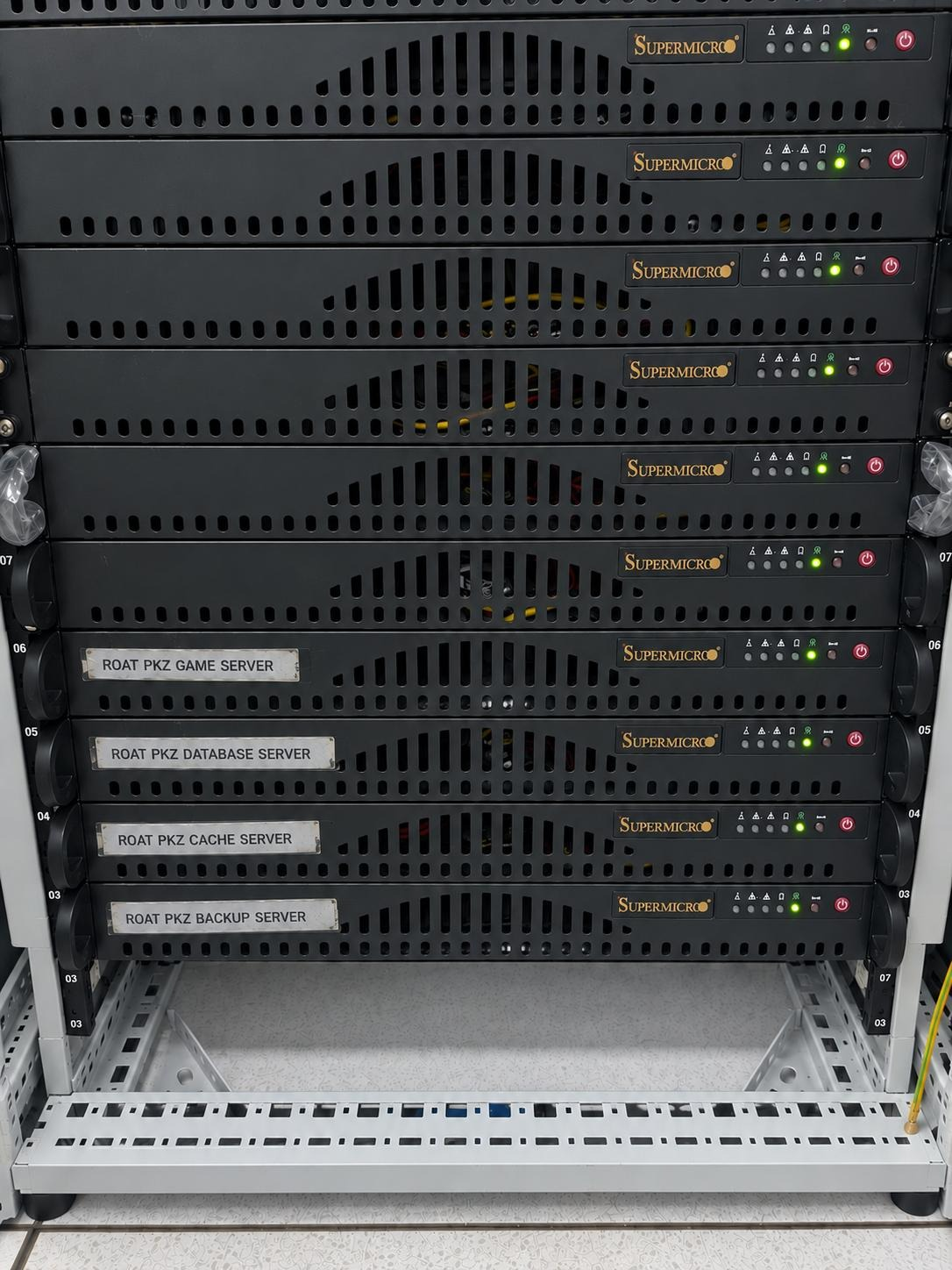
This separation does not make failures impossible, but it gives us clearer signals when something is under pressure and lets us work on one layer without treating every problem as a problem with the whole game.
The best result is that nobody notices
Infrastructure is successful when it disappears into the background. Players log in, fights continue, and the team can focus on updates instead of firefighting. We cannot promise that the internet will never be hostile, but with dedicated systems, constant monitoring, and GameServerKings protecting the network edge, we are in a much stronger position to keep Roat Pkz available through it.